Welcome to your weekly full body split workout plan! This program is designed to target all major muscle groups for a comprehensive and balanced workout. Get ready to challenge yourself and make progress towards your fitness goals. With this split workout plan you will train your full body.
Workout Plan
Duration: 4-6 weeks
Day 1: Compound Exercises (Squats, Deadlifts, Bench Press, Overhead Press)
| Preview | Exercise | Sets | Reps |
|---|---|---|---|
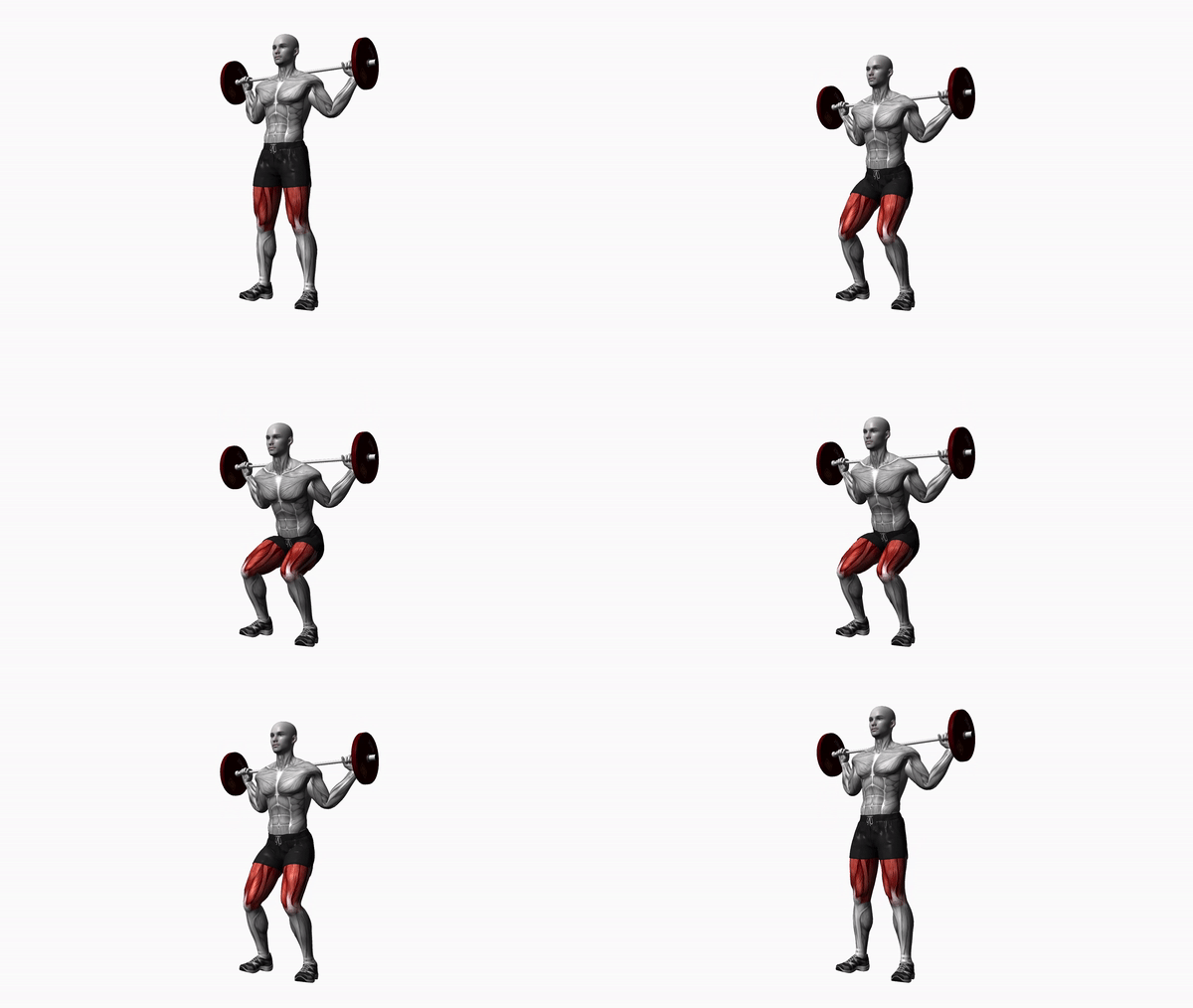 | Squats | 4 sets | 8-10 reps |
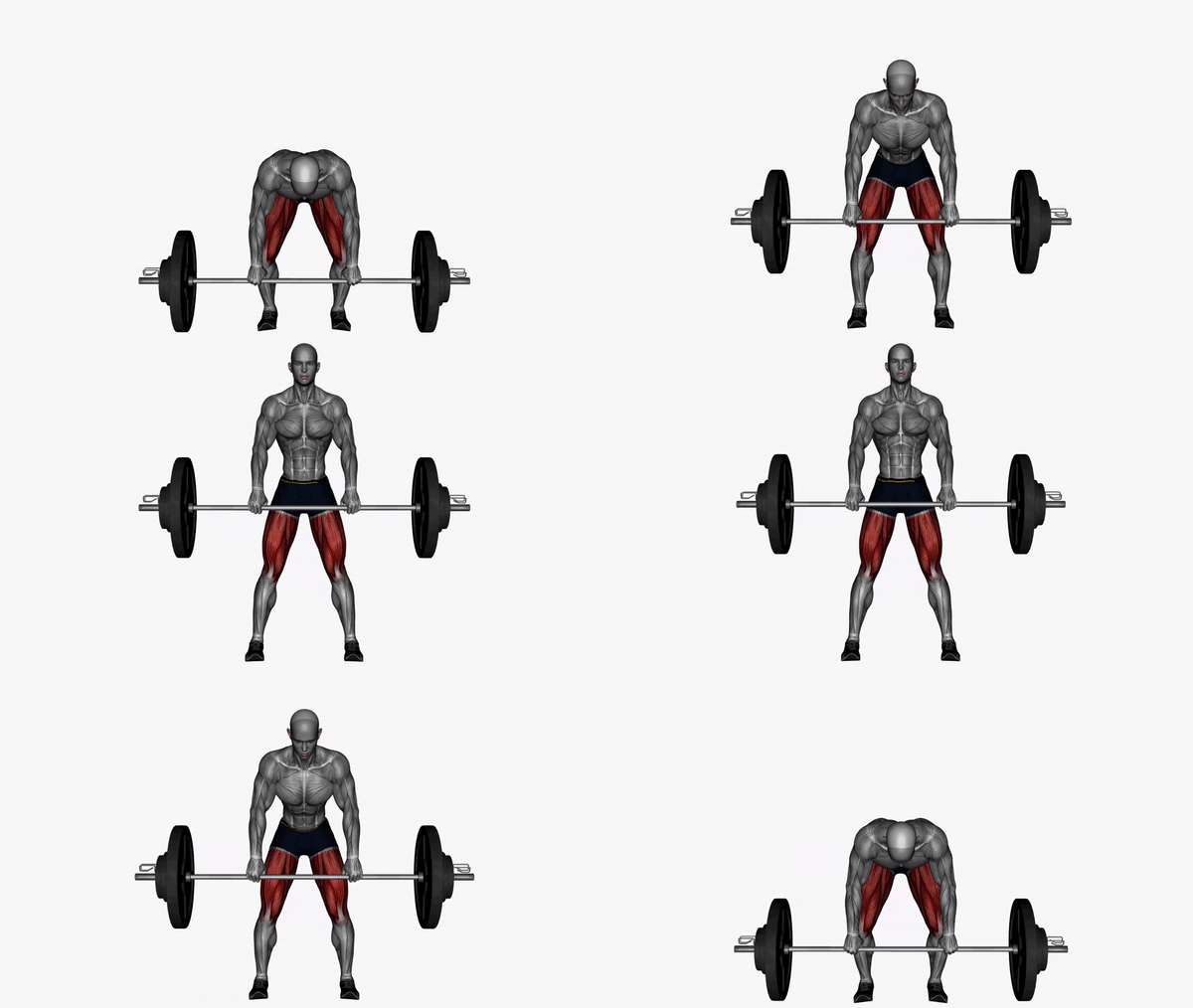
 | Deadlifts | 4 sets | 8-10 reps |
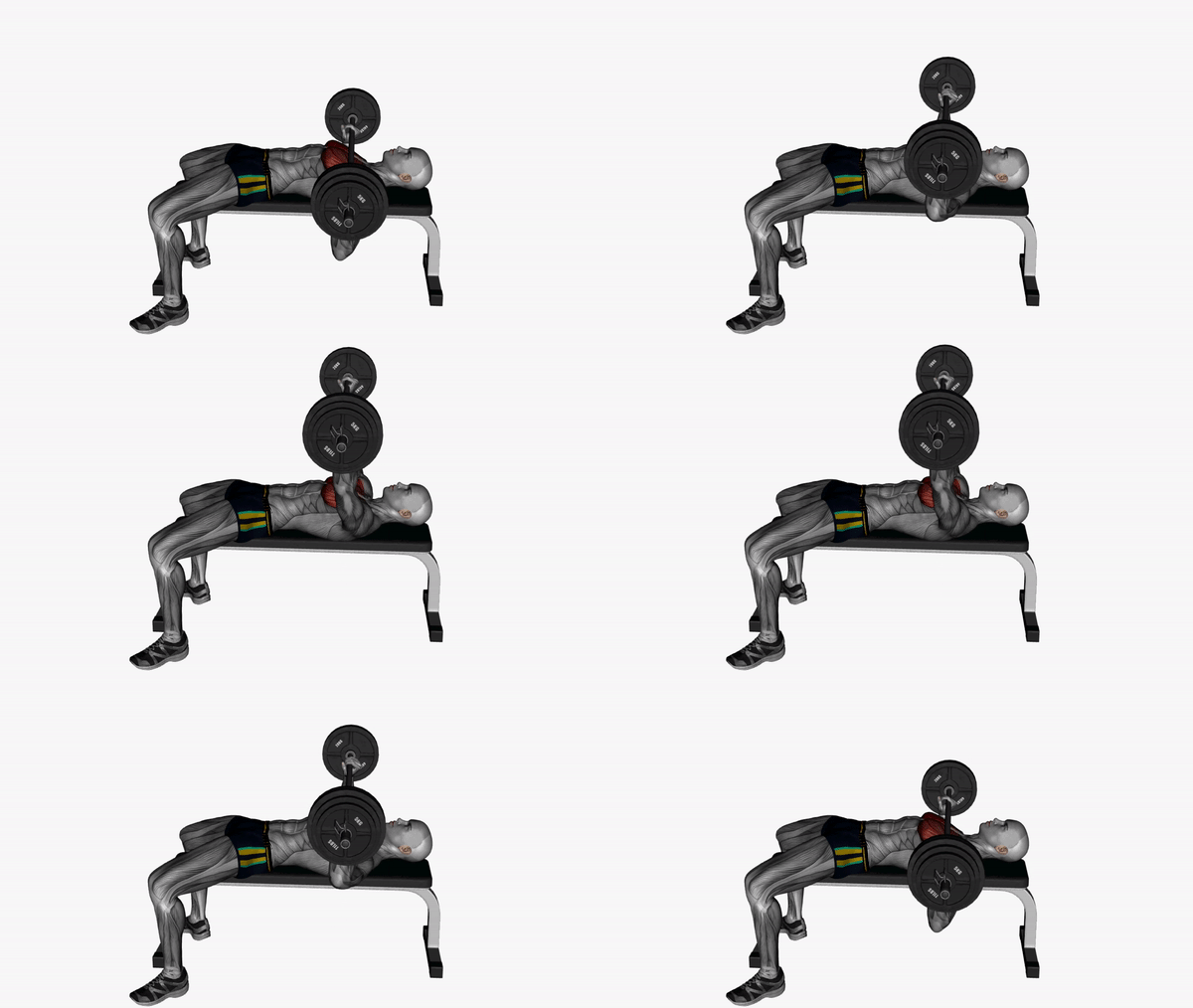 | Bench Press | 4 sets | 8-10 reps |
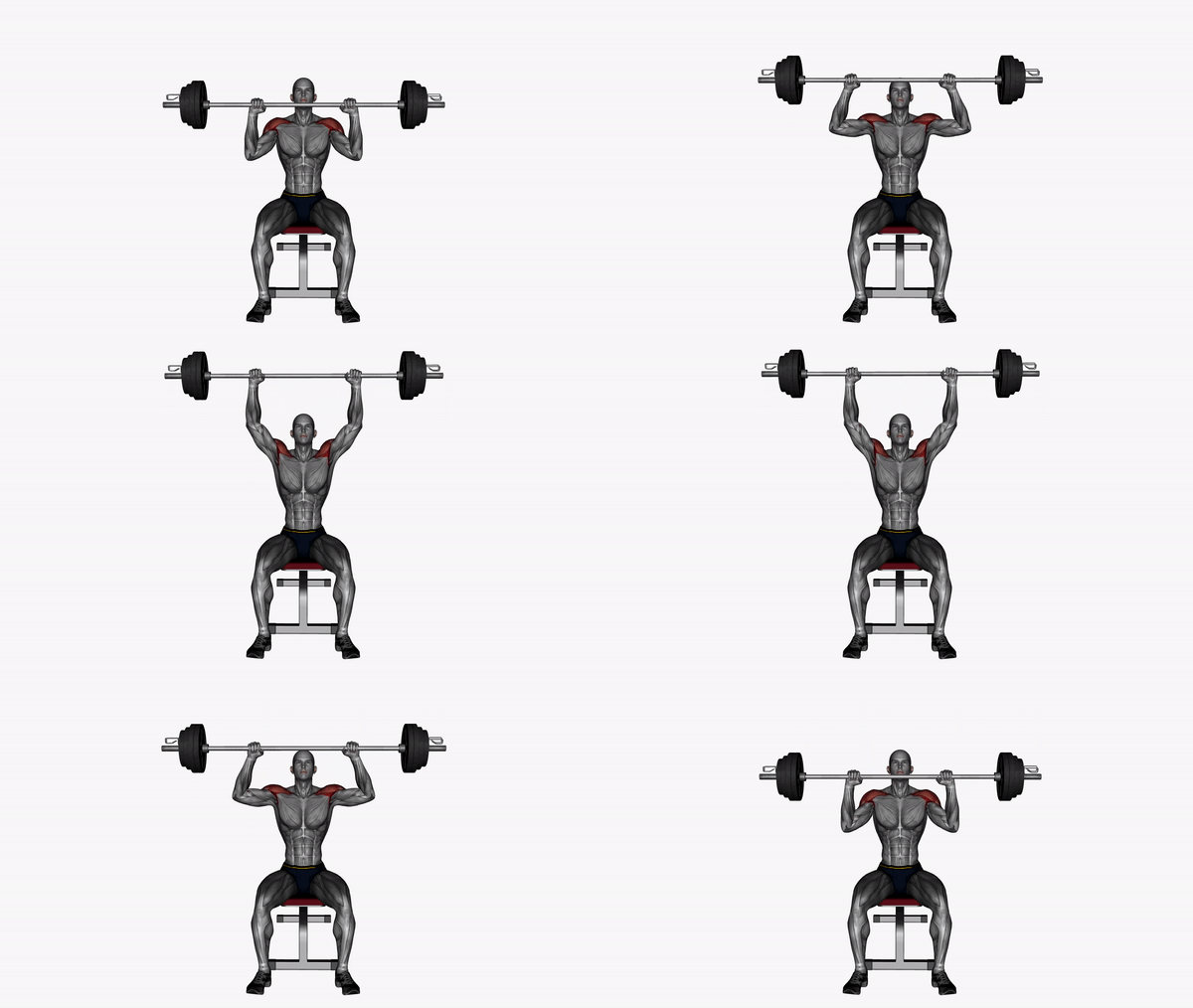 | Overhead Press | 3 sets | 10-12 reps |
Day 2: Rest
Day 3: Isolation Exercises (Biceps Curls, Triceps Extensions, Lateral Raises)
| Preview | Exercise | Sets | Reps |
|---|---|---|---|
 | Bicep Curls | 3 sets | 12-15 reps |
.gif) | Tricep Extensions | 3 sets | 12-15 reps |
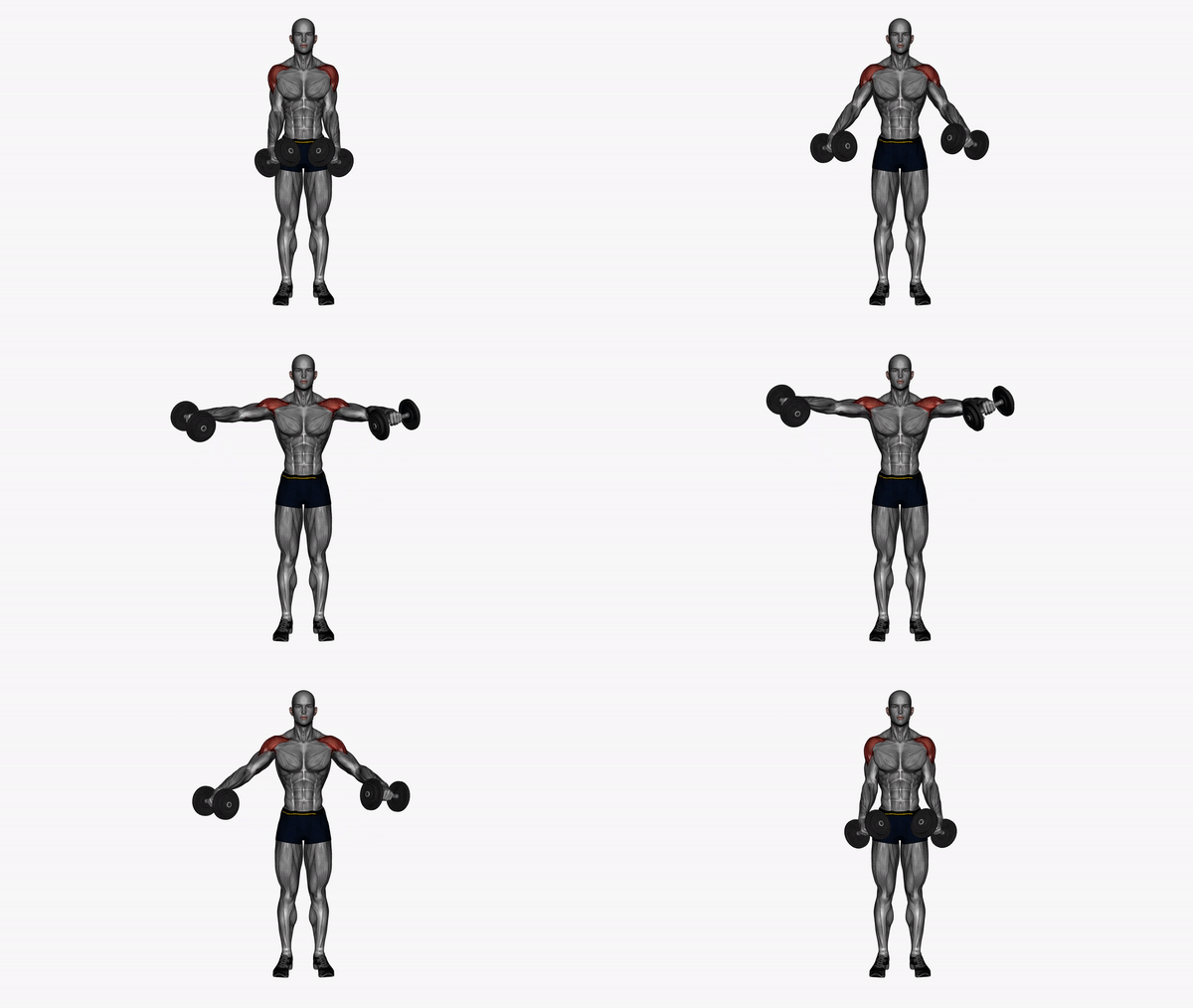 | Lateral Raises | 3 sets | 12-15 reps |
Day 4: Rest
Repeat cycle
Outro
Congratulations on completing your weekly full body workout plan! Remember to listen to your body, adjust the weights and reps as needed, and maintain consistency to achieve your fitness goals. Keep up the great work!
Benefits
A full-body split workout is a training regimen that targets all major muscle groups in a single session. Unlike traditional bodybuilding splits that focus on specific muscle groups on different days, a full-body split involves working multiple muscle groups in one workout. This type of workout is particularly beneficial for individuals looking to improve overall strength, build muscle mass, and optimize time efficiency.
This workout typically consists of compound exercises that engage multiple muscle groups simultaneously, such as squats, deadlifts, bench presses, and overhead presses. These exercises stimulate the body’s major muscle groups, including the legs, back, chest, shoulders, and arms. By incorporating compound movements, individuals can maximize muscle recruitment, increase metabolic demand, and enhance overall functional strength.
One of the key advantages of a full-body split workout is its efficiency. With this approach, individuals can train their entire body in a single session, saving time and allowing for more flexibility in their training schedule. Moreover, by targeting multiple muscle groups in each workout, individuals can achieve a balanced physique and reduce the risk of muscular imbalances or overuse injuries that can occur with traditional split routines.
Another benefit of a full-body split is the increased frequency of training each muscle group. Since all major muscle groups are targeted in every session, they receive more frequent stimulation, promoting muscle growth and strength gains. This frequent stimulation can also enhance recovery by distributing the workload across different muscle groups, reducing the strain on any particular area.
To maximize the effectiveness of a full-body split workout, it is essential to prioritize proper form and technique. Additionally, individuals should adjust the intensity and volume of their training based on their fitness level and goals. Progressive overload, where the demands on the muscles are gradually increased over time, is crucial for continued progress.
Conclusion
In conclusion, a full-body split workout offers a time-efficient and effective training approachó for individuals seeking overall strength and muscle development. By incorporating compound exercises and targeting all major muscle groups in each session, this workout regimen can help individuals achieve balanced muscle development, improve functional strength, and optimize their training time. Remember to consult with a qualified fitness professional to tailor the workout to your specific needs and abilities.